Potting Shed Dreams: Graphics and Illustrations for Local Business
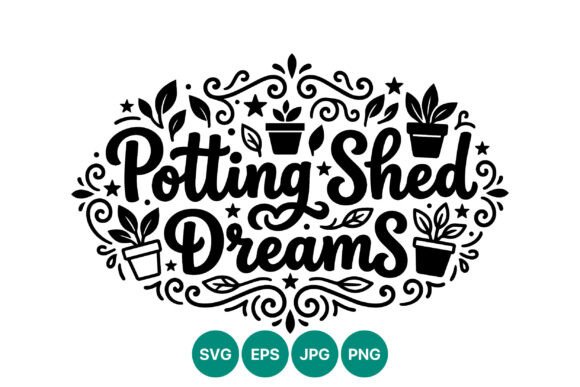
As a brand designer, I’ve seen countless graphic design assets come through my workflow. Potting Shed Dreams Decorative Lettering stands out as a unique and versatile illustration that can elevate small business branding, product packaging, and promotional visuals. Its black and white hand lettering reading "potting shed dreams" surrounded by swirling leaves, stars, and small potted plants creates a whimsical yet sophisticated aesthetic that feels both organic and artistic.
The Mood and Personality of Potting Shed Dreams
Potting Shed Dreams Decorative Lettering evokes a sense of warmth, creativity, and nature. The soft curves of the hand lettering paired with the intricate details of the surrounding elements suggest a brand that values craftsmanship, authenticity, and a connection to the natural world. This style is ideal for small businesses in the handmade, artisanal, or eco-friendly space—think bakeries, coffee shops, skincare brands, or boutique stores that want to convey a cozy, inviting vibe.
The design feels handmade and personal, which can help build a stronger emotional connection with customers. It’s not overly bold or modern, but rather elegant and decorative, making it suitable for businesses looking to stand out without being too flashy.
Real-World Applications for Small Business Branding
One of the most appealing aspects of Potting Shed Dreams Decorative Lettering is its versatility. As a graphic design asset, it can be used across multiple touchpoints in a local business’s brand identity. For example, a handmade soap business could use it on product labels, while a florist might incorporate it into seasonal packaging or social media graphics.
It works well in logo design, especially for businesses that want a custom, handcrafted look. When paired with a clean font, it can create a balanced visual hierarchy that guides the viewer’s eye and reinforces brand messaging. It also serves as an excellent accent in packaging design, adding a decorative element that enhances the overall aesthetic without overwhelming the product.
For product labels, Potting Shed Dreams Decorative Lettering can act as a focal point, helping to differentiate a product on the shelf. It’s also great for printable design elements like thank-you cards, stickers, or promotional inserts. In social media graphics, it can be used as a background or overlay to add visual interest and reinforce brand storytelling.
Supporting Business Presentation and Customer Trust
When used effectively, Potting Shed Dreams Decorative Lettering can strengthen a business’s first impression and improve product recognition. A well-designed label or packaging with this illustration can make a product more memorable and increase customer trust. It adds a layer of professionalism that can set a small business apart from competitors.
Its decorative nature also helps in creating a consistent brand identity across different mediums. Whether it’s on a website banner, a flyer, or a business card, the design maintains a cohesive look that reinforces brand personality. This consistency is key in building a strong visual identity that resonates with customers.
Additionally, the design supports better shelf appeal. In a crowded marketplace, a product with a visually engaging package is more likely to catch a customer’s eye. Potting Shed Dreams Decorative Lettering can help achieve that by adding a touch of artistry and charm to product presentations.
Where Potting Shed Dreams Works Best
This graphic design asset shines in areas where visual storytelling is important. Product labels, for instance, benefit from its intricate details, which can communicate the brand’s values and aesthetic. It also makes a strong statement as a hero graphic on a website or social media post, drawing attention and setting the tone for the brand’s message.
For seasonal campaigns, such as holiday packaging or springtime promotions, Potting Shed Dreams Decorative Lettering offers a fresh and thematic approach. It can be used in product mockups to showcase how the design will look in real-world applications, helping clients visualize the final result before production.
In boutique visuals and social media campaign graphics, the design adds a decorative flair that aligns with current trends in editorial design and web design. It’s also a great addition to printable design elements, offering a unique and customizable option for small business owners who want to add a personal touch to their marketing materials.
Where to Use with Caution
While Potting Shed Dreams Decorative Lettering is highly versatile, there are situations where it may not be the best choice. In formal corporate branding, for example, its ornate style may feel out of place. Similarly, it’s not ideal for very small labels where the details may become too crowded or hard to read.
On crowded product packaging or layouts with a lot of text, the design can compete with important information, making it less effective. It should also be avoided in areas where legal or ingredient information needs to be clearly visible. Low-contrast backgrounds or luxury minimalist brands may also find the design too busy or decorative.
Before using this illustration, it’s important to test it on real packaging mockups and check how it looks in different sizes and contexts. Ensuring that it works well with brand colors and other design elements is crucial for maintaining a professional appearance.
Practical Designer Notes
As a brand designer, I always recommend testing design assets in real-world scenarios. For Potting Shed Dreams Decorative Lettering, I’d suggest previewing it on small labels to ensure readability and checking how it looks when printed. It’s also wise to compare it with competitor packaging to see how it stands out in the market.
When working with a client, I’d advise reviewing the PNG transparency and inspecting the SVG or vector editability to ensure flexibility in future design changes. Testing the design beside different font styles—such as serif, sans serif, script, or display fonts—can help determine how it integrates into the overall brand identity.
Finally, always confirm that the commercial license allows for use in client work, business branding, or physical product sales. This ensures that the design can be used without legal issues, especially when working on digital products or print materials for small businesses.